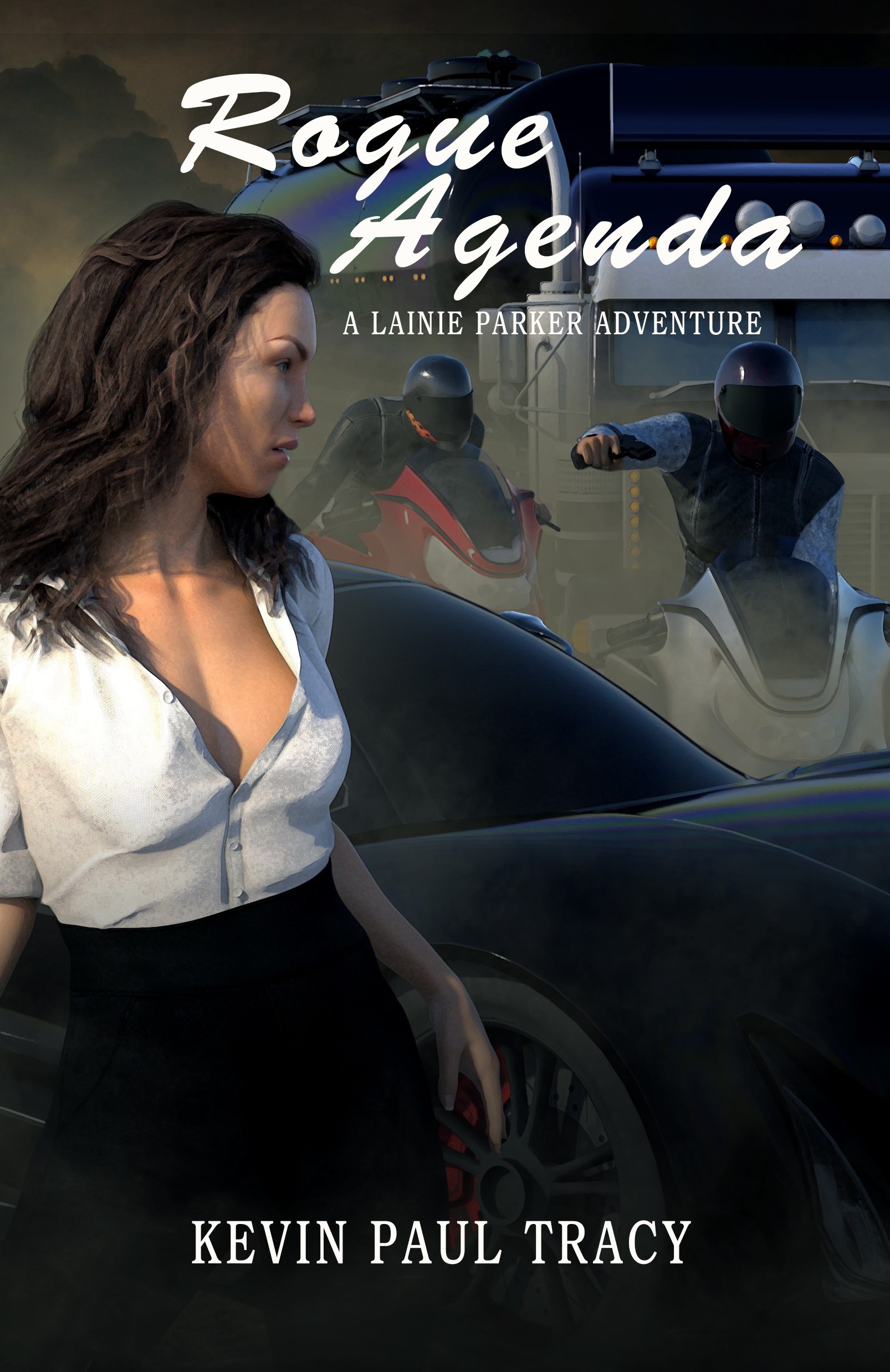
Artistic purists aside, the vast majority of we troubadours tell our stories in the hopes that someone will hear them. We write them in hopes that someone, preferably many someones, will read and enjoy them. These days audiences rarely come on their own to gather at the campfire and listen to us weave our tales. Add to that the white noise of thousands of other writers out there competing for the same readers and the need to stand out and be noticed becomes readily apparent.
But of any job ever, sales is the single hardest. Ever looms the question of how to get someone's attention and, once gained, instill in them a desire to take your story home and read it. Setting aside the equally impossible task of packaging (cover design,) how do we promote our books in a way that will garner the greatest audience. Even if you've been published by a big New York house with an advertising budget and scheduled book-signings and the like, is it wise to merely sit back and let someone else promote your book and do nothing on your own to contribute? And of course if you're independently published (self-published) then you have no choice - promoting your book is absolutely essential - there's no one else to do it for you.
Let's first ask the question - what are you selling? Are you selling a single book? Even a series, or a collection of books? Well, not really. You are actually selling yourself. Marketing surveys have proven that readers are more likely to buy a book if they like the writer. Not just the way she writes, not just the stories he tells, but her look, or his perceived personal impression. Why do publishers often like to put a head-shot of the author on the inside-cover of a book? It is a way of saying, "See my smile? See this cozy, eclectic library-like setting in which I'm sitting? See, I'm a nice guy! Buy my book, it's like me: friendly and personable!"
So when marketing your book you aren't selling the book so much as selling yourself. And that means, as time consuming and uncomfortable as it may be for us reclusive writers, you must put as much of yourself out there as possible. The book is important, too, and don't forget to put it forward, but it is almost of secondary importance to promoting yourself.
PERSONAL APPEARANCES
Does that mean personal appearances and book signings? Yes, but there is only one of you, and that you can only be one place at a time, or cover so much ground on any given week. So the trick is to maximize your appearances to reach the audience you want. Book stores are great for reaching readers, and don't neglect them. But book stores appeal to the broadest possible audience of readers - some could be there to buy a fantasy, some horror, some romance, others may be there to buy an English-Tagalog dictionary! In point of fact the percentage of readers there who might be interested in just what you've written is no greater than any other venue.
So where else can you go? Well, think creatively. One of my colleagues (I hope she doesn't mind me mentioning her name) Jeanne Stein, who writes the Anna Strong series of vampire novels, went straight to comic and science fiction conventions. Here were fans of a range of genres in which hers - vampires - were not only part but quite hot, and while many of them might prefer to watch films or TV instead of reading, there were still bound to be many readers there as well.
Another friend, John Turley, does speaking engagements to groups of oil and gas professionals around the country to promote his book, A Simple Truth, about the BP oil blowout in the Gulf of Mexico. "Because my research is important to understanding the multi-billion-dollar tragedy," says John, "I've traveled extensively and made dozens of by-invitation guest-speaker and keynote presentations to universities, professional societies, major oil-&-gas companies, federal research entities, and civic groups, including a wonderful evening with The Sierra Club in Lafayette, Louisiana." And how does he land these gigs? "I have to be proactive, 24/7, and knock loud with letters and phone calls, and be prepared to defend my credibility, which combines my first career as a professor and an offshore drilling expert, with my second career as a writer...along with stand-up public-speaking skills "
You can read more about John and his book at
www.JohnTurleyWriter.com.
The point is, try to be creative about where you go to personally promote your books. Put some thought into where your target audience is liable to congregate, and work to get into those venues.
GOD BLESS THE INTERNET
Of course every writer puts up a website, or maintains a blog (short for "Web Log," a sort of online journal...you're reading one right now) or both. But too many call that done and then sit back and wait for the web-hits to come rolling in. Those same writers soon wonder why they don't.
The Internet is a godsend when it comes to interpersonal communication, especially when advertising a product or service. You can reach a vast number of people with much less effort or expense than was once needed. But in many ways putting up a website or a blog can actually double or triple your work. It isn't enough to simply put up a website - you must then drive traffic to your website, and that means promoting it. Suddenly now you are not only trying to promote your book
and yourself, now you have a website and/or a blog to promote as well!
That's not to say that a website/blog isn't a great idea - it is - but that alone isn't enough.
One of your strongest tools in sales is word-of-mouth, a chain of customers who, having read and enjoyed your book and recommend it, verbally, to others. Imagine if one reader told five friends, and each of those five told five friends, etc. You can see how quickly the word of your book can spread to vast numbers of people very quickly.
And one of the greatest tools for getting that word of mouth chain going is...
SOCIAL MEDIA
We've all heard the term. But what is social media, really?
Social media sites are websites at which Internet users congregate to interact. In most cases they not only swap information about themselves and others, they can share photos, video clips, links to things they like, etc.I'm sure you've seen and even joined in at sites such as Facebook, LinkedIn, Twitter, etc. And there are many others not so widely known.
Here you can place a promotion for your book for your friends to see, and hope that they will share the link to your ad with others. Be careful not to "spam" your friends with ads that make them want to block you. But there are more subtle ways to keep your ad ever present in their minds.
Promoting a contest in which those who see the ad must answer a trivia question, preferably something related to your story, to win something desirable, such as movie tickets or amusement park tickets. Of course a free copy of your book comes with the prize. This will drive traffic to your website, where people will have the chance to browse your other content, learn more about you and the books you've written.
A friend and ebook publisher, Terry Wright (
www.TWBPress.com) produces short trailers for the books and short stories he publishes and disseminates them to sites like YouTube. They are often simple, but very effective in driving traffic to his website, where a great number of publications await to dazzle fans of online reading.
In conclusion, the trick to promoting your book is promoting yourself. And the trick to doing that is to be proactive, imaginative, and persistent.
Labels: blog, internet, promotion, sales, self-promotion, social, social media, website, writer, writing